

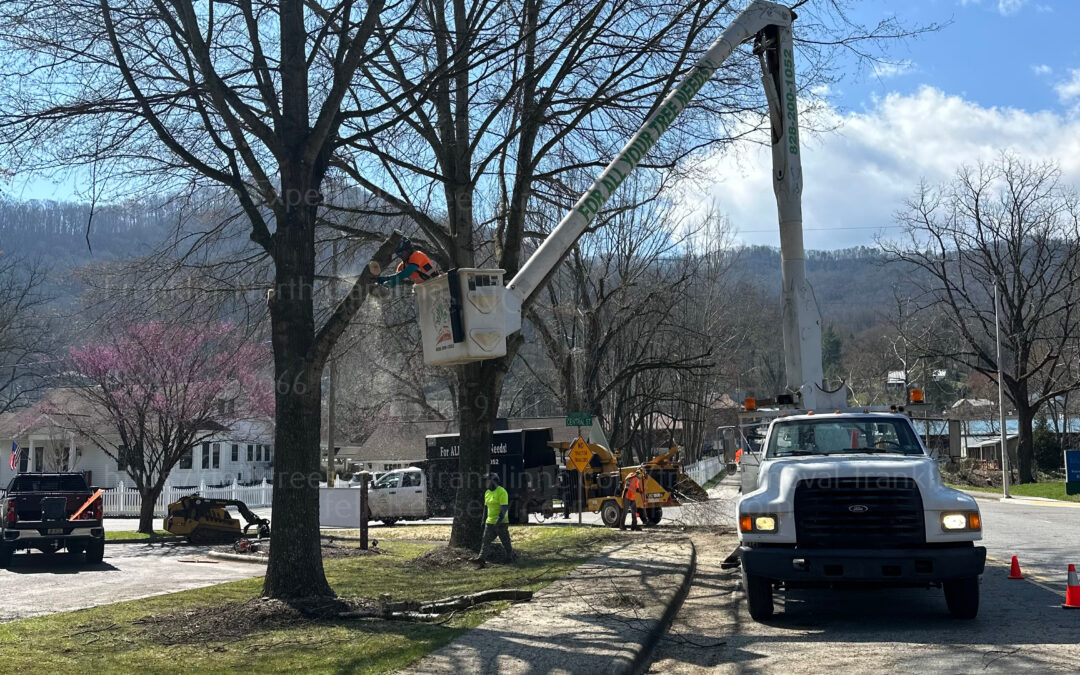
Tree pruning in Glenville, NC is an essential part of tree care and health. The timing of pruning is vital for the overall health of the tree. Knowing when to trim trees can be difficult, especially for those without any experience in tree maintenance.
This article will provide tips and advice on when is the best time to trim trees and how to properly prune them. The importance of pruning trees correctly cannot be overstated. Properly timing a tree’s pruning helps protect it from disease and keeps it looking its best.
It also prevents unnecessary damage that could occur from improper trimming or incorrect timing. It is important to understand the different types of pruning and when they should be done in order to get the most out of a tree’s growth and health.
Different Types Of Pruning
Pruning trees is an important part of keeping them healthy and making sure they look their best.
There are several types of pruning that can be done on different tree types depending on the season. For example, deciduous trees should be pruned in late winter or early spring when they are dormant, while conifers should be pruned in late spring or summer once new growth has begun.
Pruning at the wrong time could lead to damage or even death for the tree, so it is important to take into account the type of tree and the season before beginning any pruning project.
The Benefits Of Pruning Trees
Pruning trees is essential for maintaining their health and vitality in Glenville, NC. It is important to understand the different pruning methods and when they should be applied in order to achieve optimal results.
Tree pruning can be used for a variety of reasons, such as improving the structure of a tree, reducing its size, or increasing air circulation around it. Pruning also removes dead branches, which can improve the overall aesthetics of a tree and help keep it healthy by preventing diseases from spreading.
Properly executed pruning techniques can also encourage new growth, helping a tree reach its full potential while also producing larger fruit yields. Ultimately, proper pruning ensures that trees are able to thrive in their environment by improving their health and aesthetics.
Tips For Pruning Trees At The Right Time
Pruning trees at the right time is essential for promoting tree health and longevity. According to the United States Department of Agriculture, a properly pruned tree can live up to three times longer than a neglected tree.
As such, it is important for homeowners and landscapers to understand timing strategies for effective pruning. In general, the best time to prune most trees is during their dormant season, which occurs between late fall and early spring. During this time, the tree will not be actively growing and therefore will be less susceptible to disease or damage from pruning operations.
Additionally, pruning during this period allows insect pests that may be present on the tree to be more easily identified and treated if necessary. It also helps promote new growth in the spring by selectively removing dead or diseased branches.
Conclusion
Pruning trees is an important process that can help maintain their health and beauty. Pruning at the right time is essential for achieving optimal results. Knowing the different types of pruning, the benefits of pruning, and when to prune are all key to a successful job.
Most trees require pruning in either late winter or early spring before new growth begins to appear. Having a comprehensive understanding of tree species, their growth patterns, and the desired form of each individual tree will help ensure proper timing when it comes to trimming trees.
Felix Tree Expert, LLC is a fully licensed and insured tree service company in Glenville, NC. We have extensive experience in tree removal, tree trimming, tree cutting, stump grinding, lot clearing, and view clearing. Our services include free onsite estimates, and all you need to do is give us a call to schedule a visit to your home or business. We also provide consultations on how to protect your trees while meeting your yard care needs.