

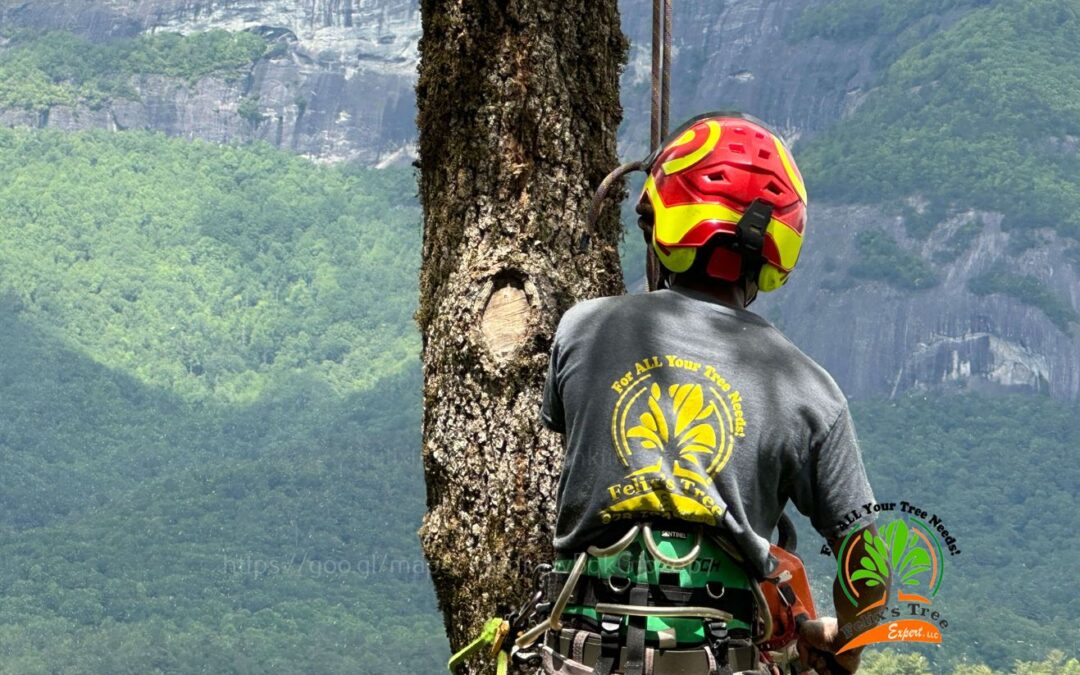
When it comes to tree removal, safety should be the top priority. To ensure that the process is carried out safely and effectively, it is crucial to identify hazardous trees before removal. In Franklin NC, professional techniques are employed to assess tree health and detect potential risks.
Key Takeaways
- Identifying hazardous trees before removal is crucial for safety
- Professional techniques are used to assess tree health and detect potential risks
- Tree risk evaluation helps prioritize the need for removal or intervention
- Hiring professional arborists ensures the effectiveness and safety of the process
- Managing tree risk through proper pruning, monitoring, and regular inspections is essential
Understanding Tree Hazard Assessment
When it comes to maintaining a safe and healthy environment, identifying hazardous trees is crucial. To effectively manage tree risks, arborists rely on tree hazard assessment. This process involves using various methods to identify hazardous trees, including visual inspection, detection of signs of decay, and other potential risk factors.
During visual inspection, arborists look for any visible signs that a tree may pose a risk. These include dead, broken, or hanging branches, cavities, cracks, weak or leaning trunks, and more. For detection of signs of decay, they may use instruments such as a resistograph to measure the resistance of wood and determine if rot is present.
Understanding the importance of tree inspection for safety is critical to maintain a secure environment. By regularly assessing the health and condition of trees, it is possible to identify and address potential risks before they become a danger to people and property.

Common Methods for Tree Hazard Assessment
| Method | Description |
|---|---|
| Visual Inspection | Identification of visible signs of tree decay or damage |
| Resistograph Measurement | Measuring the resistance of wood to identify decay within the tree |
| Sonic Tomography | Using sound waves to assess the internal structure of a tree to detect defects such as cavities, decay or cracks |
Conducting Tree Risk Evaluation
Assessing tree condition is crucial in identifying potential dangers that could pose risks to people and property. Conducting a comprehensive tree risk evaluation involves a thorough assessment of various factors associated with the tree. Tree risk evaluation encompasses the process of evaluating the likelihood of failure and the potential consequences of failure for each part of the tree.
To effectively conduct a tree risk evaluation, arborists use a combination of visual inspection techniques, advanced tools, and technology. They inspect the tree’s leaves, branches, roots, trunk, and overall structure, looking for signs of decay, damage, disease, and other defects that could cause it to fall. As no two trees are alike, each one requires a distinct approach when it comes to assessing its condition.
During a tree risk evaluation, arborists prioritize the need for removal or intervention based on the level of risk posed by the tree. Trees that exhibit a high likelihood of failure or pose significant consequences of failure are given a higher level of risk, requiring immediate removal. Assessing the risks of trees helps to ensure dangerous tree detection, which is essential for the safety of both individuals and property. Get to know more about What Are the Essential Steps in Young Tree Service for Effective Maintenance.
Steps in Conducting Tree Risk Evaluation
The following are critical steps involved in conducting a tree risk evaluation:
| Step | Description |
|---|---|
| Step 1 | Inspection of the tree’s surrounding site: The site’s environmental conditions, such as soil quality, climate, and terrain, impact the tree’s overall health and survival. Understanding these conditions is essential when assessing a tree’s condition and risk. |
| Step 2 | Identification of potential targets: Trees that have structural defects pose a risk to objects and people in their immediate surroundings. Identifying potential targets of the tree is essential when determining the level of risk posed by the tree. |
| Step 3 | Assessment of the tree’s overall health: Evaluating the overall health of the tree involves analyzing various parts, including leaves, branches, roots, trunk, and overall structure. Arborists look for signs of decay, disease, and insect infestation, among other possible defects. |
| Step 4 | Establishment of management options: The arborist establishes the most appropriate management option for the tree based on the results of the risk assessment. Options include monitoring, pest treatments, or removal, among others. |
By conducting a tree risk evaluation, you can effectively identify trees that pose significant safety risks and determine the best course of action to ensure the safety of your environment.
Signs of Hazardous Trees to Look Out For
Identifying hazardous trees before removal is crucial to ensure the safety of individuals and the environment. Knowing the signs of dangerous trees can help you recognize and address potential risks. The following are some common symptoms to look out for when evaluating tree hazard:
| Symptom | Description |
|---|---|
| Dead branches | Broken or hanging branches that no longer have green foliage. |
| Cracks | Vertical or horizontal splits in the trunk or branches. |
| Cavities | Large holes or openings in the tree trunk or branches. |
| Leaning trunks | Trees that have a significant lean or are growing at an angle that could lead to instability. |
Other signs of hazardous trees include discoloration, fungal growth, and insect infestation. If you notice any of these symptoms, it is essential to contact a professional arborist to assess the situation and recommend appropriate action.
Visual Cues
Identifying hazardous trees through visual inspection is the first step in ensuring the safety of the environment. Dead branches, cracks, cavities, and leaning trunks are visual cues that may be indicative of a potential tree risk. It is crucial to inspect trees regularly to detect and address potential hazards before they become a threat.
Professional Arborists
If you encounter any of the signs of hazardous trees, it is essential to seek professional help. Hiring qualified arborists ensures that the required knowledge, skills, and equipment are available to remove the tree safely and efficiently. Professional arborists use specialized techniques and tools to identify hazardous trees accurately and determine the best course of action.
Utilizing Pro Techniques for Tree Inspection
If you want to ensure the safety of your surroundings, it is vital to identify hazardous trees accurately. This requires employing professional techniques for tree inspection. Arborists use advanced tools and technologies, such as seismograph drills and sonic tomography, to accurately assess tree conditions. Resistograph drills are used to identify the density of tree trunks, while sonic tomography assesses the internal decay within trees.
These technologies help arborists detect trees that may pose a safety threat due to decay, damage, or structural problems. By understanding these pro techniques for tree inspection, arborists can make informed decisions regarding tree removal or intervention. As a result, tree inspection for safety is an essential part of tree risk management.
Managing Tree Risk for Ultimate Safety
When it comes to trees on your property, proper management techniques are essential to ensure the safety of those around you. Tree risk management involves assessing the condition of trees and identifying any potential dangers that may be present. By conducting regular assessments, you can mitigate risks through strategies like pruning, monitoring, and removal if necessary.
Assessing tree condition is the first step in identifying hazardous trees. Some common signs to look out for include visible decay, cracks, cavities, and leaning trunks. By detecting and addressing these signs early, you can take steps to minimize potential risks before they become major issues.
Proper tree pruning techniques are key to maintaining tree health and avoiding hazardous growth patterns. Ensure pruning is carried out in accordance with industry best practices and is performed by a trained and certified arborist. Regular monitoring is also beneficial in managing tree risk. By tracking tree growth and making adjustments as needed, you can identify and correct potential hazards before they turn into major problems.
Regular inspections are an integral part of tree risk management. It is highly recommended to hire professional arborists for the job as they have the knowledge, experience, and valuable skills needed to identify potential risks and deal with them in a safe and effective manner. Also, they use advanced technologies and professional techniques such as seismograph drills and sonic tomography to accurately assess the condition of the trees.
Overall, tree risk management is essential to ensure a safe environment for everyone. By prioritizing safety through regular assessments, proper pruning, and regular inspections, you can help prevent hazardous tree conditions from developing and mitigate risks to the surrounding areas.
Hiring Professional Arborists for Hazardous Tree Removal
If you have identified hazardous trees on your property, hiring professional arborists for their removal is highly recommended. Attempting to remove hazardous trees on your own can be dangerous and may lead to property damage or personal injury. Professional arborists possess the necessary skills, knowledge, and experience to safely and effectively remove hazardous trees using pro techniques and methods.
Identifying hazardous trees is crucial, and professional arborists are trained to locate potential risks that may not be immediately apparent to untrained individuals. They use advanced tools and pro techniques to assess tree conditions, such as seismograph drills and sonic tomography. Hiring professional arborists for the removal of hazardous trees ensures that the process is conducted safely, efficiently, and effectively.
Moreover, professional arborists are equipped with the necessary protective equipment and gear essential to preventing accidents while working on hazardous trees. They adhere to safety standards and procedures, which significantly minimizes the risk of accidents.
Why Should You Hire Professional Arborists For Hazardous Tree Removal?
- Professional arborists possess the necessary skills, knowledge, and experience to safely and effectively remove hazardous trees.
- They use advanced tools and pro techniques to locate potential risks and assess tree conditions.
- Professional arborists adhere to safety standards and procedures, significantly minimizing the risk of accidents.
Conclusion
In conclusion, identifying hazardous trees before removal is crucial for ensuring the safety of your surroundings in Franklin NC. By understanding the process of tree hazard assessment, conducting tree risk evaluation, recognizing signs of hazardous trees, and utilizing professional techniques for tree inspections, you can effectively manage tree risks and create a safe environment.
Remember, managing tree risk requires regular monitoring, proper pruning, and hiring professional arborists for hazardous tree removal. Don’t take risks with dangerous trees – rely on trained experts who possess the necessary skills and experience to safely remove them.
By following these guidelines, you can help prevent accidents and property damage caused by hazardous trees. Stay safe and protect your surroundings in Franklin NC.
Felix Tree Expert, LLC is a licensed and insured tree service provider in Franklin, NC. We specialize in tree removal, trimming, cutting, stump grinding, lot clearing, and view clearing. Plus, we offer free onsite estimates. All you have to do is call us and we’ll arrange a visit to your home or business. We also provide advice on how to keep your trees healthy while meeting your yard care needs.