


Deadwood in trees not only diminishes the aesthetic appeal of your property but poses a significant danger with the potential for falling branches. Keeping your trees well-trimmed and clear of deadwood can greatly enhance their stability and health. By effectively removing this hazardous debris, you reduce the risk of injury or damage to your property, ensuring a safer environment for you and your loved ones. Regular maintenance can also promote overall tree vitality and longevity, providing you with a more beautiful landscape in Franklin, NC.
Key Takeaways:
- Deadwood Identification: Tree trimming helps identify and remove deadwood, which consists of branches that are no longer living and can pose risks.
- Weight Reduction: Removing deadwood reduces the overall weight of the tree, thereby minimizing the chances of branch failure during storms or high winds.
- Improved Tree Structure: Trimming enhances the tree's structure by promoting healthy growth and allowing better air circulation and sunlight exposure.
- Prevention of Disease Spread: Deadwood can harbor pests and diseases; removal limits health issues that could weaken the tree and lead to falling branches.
- Increased Safety: Regular deadwood removal during tree trimming creates a safer environment for nearby properties and people by preventing unexpected branch falls.
Understanding Deadwood in Trees
Definition of Deadwood
You should know that deadwood refers to branches or limbs that have died and no longer have any living tissues. These branches can be easily identified as they lack foliage or are desiccated. Deadwood can often be found in both large and small trees, and its presence can significantly impact the overall health and appearance of your trees. Recognizing deadwood is important for the maintenance of your landscape, as it can pose various risks if left untreated.
Furthermore, your understanding of deadwood is vital for promoting tree health and safety. When deadwood accumulates, it contributes to the tree's susceptibility to disease and pest infestations. Consequently, this can lead to an unstable structure, increasing the chances of falling branches, which could potentially cause harm to people, pets, or property in your vicinity.
Causes of Deadwood Formation
Several factors may play a role in the formation of deadwood. Aging is one of the primary reasons you might notice deadwood in your trees, as older trees often shed branches that can no longer support new growth. Other underlying causes can include environmental stresses such as drought, soil deficiencies, and damage resulting from storms, pests, or diseases. These conditions can hinder a tree's ability to sustain its limbs, leading to the eventual death of certain branches.
Understanding how deadwood is formed highlights the importance of consistent tree care. By actively assessing and addressing factors such as soil health and pest control, you can mitigate the risks of deadwood development. Regular monitoring helps maintain your trees' vigor, ensuring their stability and reducing the possibility of falling branches, ultimately promoting a healthier landscape in your yard.
Risks Associated with Deadwood
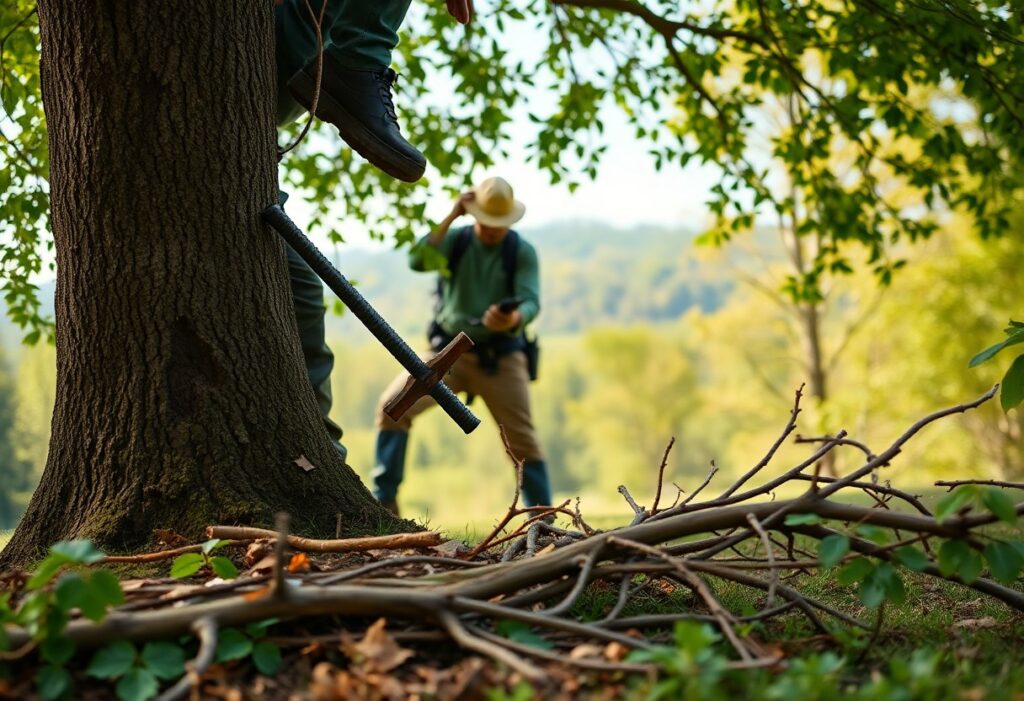
The presence of deadwood in your trees presents several risks that can affect your property and safety. Deadwood consists of branches that have died and are often brittle, making them more likely to break off under stress from wind or other environmental factors. As leaves and nutrients are no longer provided to these branches, they become weak and unstable. If you neglect this issue, you expose yourself and others to the danger of unpredictable falling branches, particularly during storms or high winds, which can cause serious injuries or damage to vehicles, homes, and power lines.
Fall Hazards
Below, you will find that one of the most significant dangers associated with deadwood is the potential for falling branches. These branches can fall without warning, causing potential injuries to anyone below or significant property damage. You may not realize it, but routine activities such as gardening, entertaining, or simply walking in your yard could put you at risk due to the unseen threats posed by deadwood. Proactively removing these dangerous limbs can significantly decrease the likelihood of a fall hazard in your environment.
Impact on Tree Health
Any signs of deadwood in your tree can indicate underlying issues that may be detrimental to the overall health of the tree. Dead branches can attract pests and diseases, compromising the integrity of the whole tree. You should also know that in maintaining the health of your trees, removing deadwood allows for better air circulation and sunlight penetration to the living parts of the tree, which ultimately fosters growth. Healthy trees are more resilient to storms and add significant aesthetic value to your landscape.
The impact of neglecting deadwood removal can lead to a more polluted environment for your trees, as dead branches become sites for decay and insect infestations. This can result in unhealthy trees that weaken other nearby trees, making your entire landscaping vulnerable. Regularly assessing and removing deadwood helps foster a stronger, healthier ecosystem around your property, ensuring your trees' lasting beauty and safety. Engage with this excellent read.
The Process of Deadwood Removal
Many homeowners in Franklin, NC, may not fully realize the importance of deadwood removal in maintaining the safety and vitality of their trees. The process involves identifying and removing dead, dying, or diseased branches. Doing so reduces the likelihood of larger branches falling and causing damage to your property or posing a risk to people nearby. Regular removal of deadwood enhances the aesthetic appeal of your trees and improves their overall health by allowing sunlight and air to reach the inner parts of the tree.
During the deadwood removal process, experienced arborists assess the tree to pinpoint the most effective approach. This typically involves using specific techniques to ensure that the tree maintains its structural integrity while removing unwanted branches. The arborist can ensure that your trees remain robust and healthy while minimizing future risks by employing methods such as pruning cuts and thinning.
Techniques for Effective Tree Trimming
Along with deadwood removal, various techniques are applied during tree trimming to enhance the tree's structure and longevity. One commonly used method is crown thinning, which involves selectively removing branches to increase light penetration and air circulation within the canopy. This technique ensures that your trees are less prone to disease and decay, ultimately lowering the risk of branch failure. Additionally, crown raising may be employed to remove lower branches, allowing for more clearance and reducing the chances of branches interfering with structures or pedestrians.
Another effective technique is directional pruning, which enables arborists to guide the tree's growth in a specific direction. This approach prevents heavy branches from leaning towards your home or utility lines, reducing the likelihood of dangerous situations that could arise from falling branches. Utilizing these techniques as part of your tree care routine can significantly enhance the health and safety of the trees surrounding your property.
Tools and Safety Measures
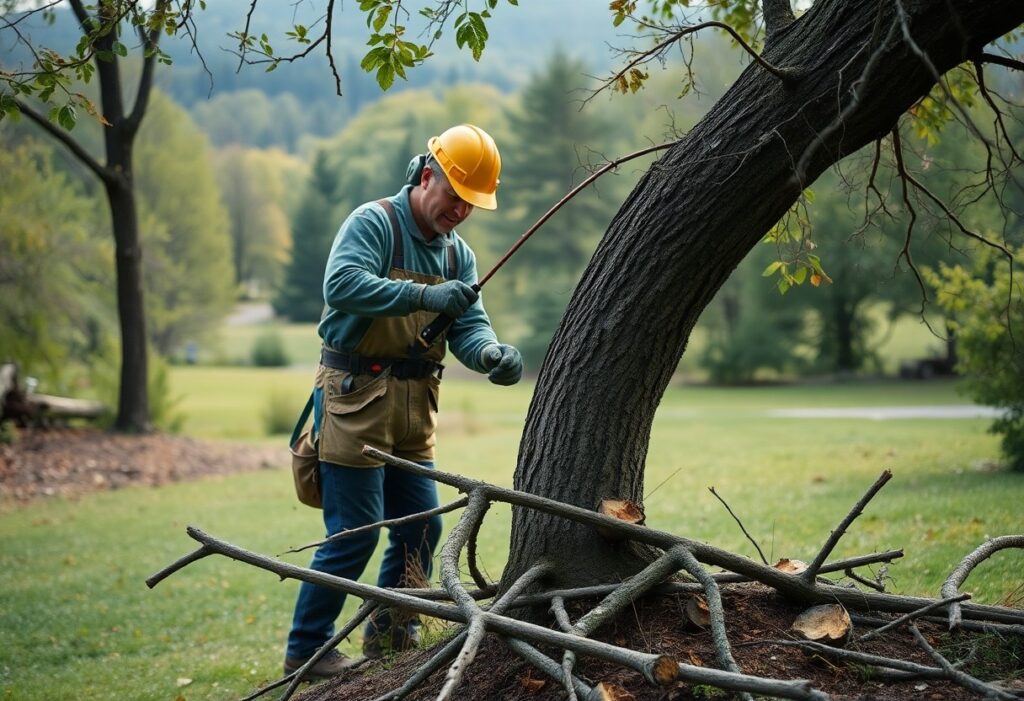
Deadwood removal relies on precise techniques, the right tools, and safety measures. You should be aware that professional arborists use tools, such as pruning saws, loppers, and chainsaws, to do the job effectively. These tools allow for clean cuts that promote faster healing and reduce the risks associated with disease. Equally important are the safety measures in place, including personal protective equipment like helmets, gloves, and goggles to ensure the safety of both the arborist and those nearby.
To ensure a safe and effective deadwood removal process, it's paramount to assess your tools before beginning any tree trimming. Check that your equipment is well-maintained and in good condition. Having sharp blades and proper safety gear can help prevent accidents that might occur due to equipment malfunction. Additionally, you should always remain vigilant of your surroundings, securing the area and notifying others of your work to avoid any harmful incidents during the trimming process.
Benefits of Deadwood Removal
Despite the common misconception that deadwood merely adds aesthetic character to a tree, its removal is necessary for maintaining the health and safety of your yard. By eliminating deadwood during tree trimming, you not only enhance the overall appearance of your trees but also minimize potential risks associated with falling branches. This proactive approach can prevent the unexpected hazards that deadwood can pose during storms or high winds, ultimately ensuring the safety of your family and property.
Reducing Risks of Falling Branches
Around your property, the presence of dead branches can present unexpected dangers. These aged and weakened branches are more likely to snap and fall, especially during inclement weather. By prioritizing deadwood removal, you significantly decrease the chances of this occurring, giving you peace of mind knowing that your outdoor space is safer for everyone. Furthermore, by routinely addressing this issue, you are taking an important step in tree maintenance, which helps you avoid more severe future complications.
Promoting Tree Longevity
On the other hand, deadwood removal is not only about managing hazards; it also plays a vital role in the long-term health of your trees. Removing dead branches allows your trees to focus their energy on new growth and healthier branches, promoting overall vitality. This process opens up the canopy for better sunlight penetration and improves air circulation, which are both necessary for fostering a thriving ecosystem.
Deadwood significantly hinders a tree’s ability to absorb necessary nutrients and water, leading to accelerated decline and potential tree death. By addressing deadwood through regular trimming, you effectively mitigate this risk, allowing your tree to thrive for years to come. Through this diligent care, you enhance the beauty of your landscape and support the environmental benefits that healthy trees provide to your community.
Local Regulations and Best Practices in Franklin, NC
Tree Care Regulations
To ensure the safety and aesthetic of your landscape, it’s important to be aware of the tree care regulations in Franklin, NC. These regulations are designed to protect both your property and the surrounding environment. The city mandates that certain trees, particularly those that are deemed heritage trees or part of protected species, require permits for removal or significant trimming to prevent unregulated cutting. Familiarizing yourself with these regulations will keep you compliant and help contribute to the overall health of the local ecosystem.
After you clearly understand the tree care rules in your area, you can make informed decisions about maintaining your trees. Regularly removing deadwood is not just a best practice; it's often a requirement under local ordinances, especially if your tree is located near public spaces or utilities. By adhering to these guidelines, you reduce the risk of falling branches and enhance the structural integrity of your trees, ensuring their longevity and minimizing hazards in your yard.
Hiring Licensed Arborists
Around Franklin, NC, hiring licensed arborists for tree trimming and deadwood removal is highly recommended. These professionals possess the necessary training and expertise to assess your trees accurately, ensuring that any trimming done is safe and effective. Unlike an ordinary handyman, a licensed arborist understands the specific needs of different tree species and can advise you on the best methods for maintaining their health while reducing the risk of falling branches.
Felix Tree Expert, LLC is a fully licensed and insured tree service company in Franklin, NC. We have extensive experience in tree removal, trimming, tree cutting, stump grinding, lot clearing, and view clearing. Our services include free onsite estimates; all you need to do is call us to schedule a visit to your home or business. We also provide consultations on protecting your trees while meeting your yard care needs.